Yes, a leaf shredder can handle wet leaves during the Indian monsoon, but with limitations. Most leaf shredders are built primarily for dry to slightly damp leaves. Soggy, monsoon-soaked leaves are heavier, slippery, and more likely to clog the blades or jam the feed chute. A shredder with a powerful motor (1800W+), sharp steel blades, and a wide feed hopper will manage wet leaves far better than a low-power or budget model. For best results, shred in short bursts, mix wet leaves with dry material, and clean the unit after every session.
How a Leaf Shredder Works
A garden leaf shredder uses spinning blades or a flail/hammer mechanism to cut leaves, twigs, and soft garden waste into smaller pieces. This reduces the volume of leaf litter by up to 80–90%, making it easier to compost or mulch. Most home shredders fall into three categories: electric leaf shredders, petrol-powered shredders, and manual hand-crank shredders. Electric models are the most popular choice for Indian home gardens because they’re lightweight, low-maintenance, and ideal for moderate leaf volumes during monsoon clean-up.
[ Best Leaf Shredders for Indian Gardens in 2026 ]
Why Wet Leaves Are Tricky for a Leaf Shredder
Monsoon leaves behave very differently from dry autumn leaves picked up elsewhere in the world. Here’s why:
- Higher weight and density – Waterlogged leaves don’t fall through the blades as easily, slowing down the cutting action.
- Clumping and clogging – Wet leaves stick together and to the internal walls of the shredder, often jamming the chute.
- Reduced blade efficiency – Moisture makes leaves more fibrous and slippery, so blades need more force to get a clean cut.
- Motor strain – Continuous wet feeding can overheat smaller motors, especially in budget electric leaf shredders.
- Slower output – Even a powerful leaf shredder will process wet leaves 30–50% slower than dry ones.
This is exactly why machine specifications matter so much before buying a shredder meant for Indian monsoon conditions.
[Leaf Shredder Buying Guide – Motor Power, Blade Type & Hopper Size Explained →]
Flail-blade (hammer-mill) shredders generally outperform single rotary-blade models on wet leaves because the hammering action breaks up clumps instead of just slicing through them.
[ Electric vs Petrol Leaf Shredder – Which One Suits Indian Weather? →]
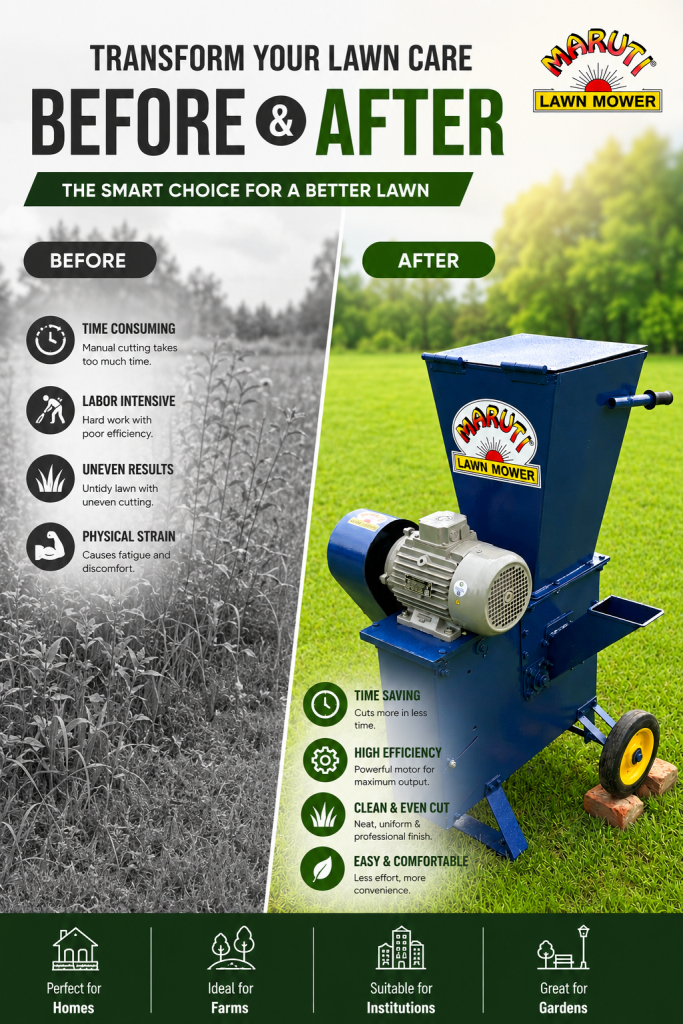
7 Tips to Shred Wet Leaves During Monsoon Without Jamming
- Mix wet and dry leaves in roughly equal proportions before feeding them in dry material helps “carry” wet leaves through the blades.
- Feed slowly and in small batches rather than dumping a large pile at once.
- Let leaves drain for 30–60 minutes after heavy rain if possible, to reduce surface water.
- Clear the chute between batches to stop wet pulp from building up on the blade housing.
- Use a shredder with a wide hopper opening, which reduces the chance of wet leaves bridging and blocking the entry.
- Avoid shredding directly in the rain — operating an electric leaf shredder in active rainfall is also an electrical safety risk.
- Run the motor in short cycles, giving it brief rest periods to avoid overheating during humid, high-load monsoon sessions.
[Monsoon Leaves Gardening Checklist for Indian Homes →]
Maintenance After Shredding Wet Leaves
Indian monsoon humidity makes rust and motor damage a real risk if a leaf shredder isn’t cleaned and dried properly after use:
- Disconnect power and clean wet leaf residue from blades and the chute immediately after use.
- Wipe down metal blades with a dry cloth and a light coat of oil to prevent rust.
- Store the shredder in a dry, covered area — never leave it outdoors during monsoon.
- Check the blade sharpness monthly during heavy monsoon use; dull blades struggle more with wet material and strain the motor.
- Inspect the power cord and casing for moisture damage before each use.
[How to Maintain Garden Power Tools During Monsoon →]
Frequently Asked Questions
Can I use a leaf shredder on leaves right after rain? Yes, but it’s better to let leaves drain for a short while first. Freshly rain-soaked leaves are heavier and more likely to clog the blades than leaves that have partially dried.
Will a wet leaf shredder reduce the machine’s lifespan? Regular use on very wet leaves without proper cleaning can shorten motor and blade life. Drying and cleaning the unit after every session minimizes this risk.
What is the best leaf shredder for monsoon use in India? A high-power electric or petrol shredder (1800W and above) with a flail-blade system and a wide feed hopper is best suited for damp Indian monsoon leaves.
Can wet leaves damage a leaf shredder’s motor? Yes, if the machine is underpowered or overloaded with continuous wet feeding, the motor can overheat or burn out. Feeding in short, controlled batches reduces this risk.
Is it safe to use an electric leaf shredder in the rain? No. Electric leaf shredders should only be used in dry, covered conditions. Operating one in active rainfall poses an electric shock hazard.
Conclusion
A good-quality leaf shredder can absolutely handle wet leaves during the Indian monsoon season, as long as it’s matched to the job sufficient motor power, sharp blades, and sensible feeding habits. Budget or underpowered shredders will struggle, jam, and wear out faster under monsoon conditions. If your garden generates heavy leaf litter every monsoon, investing in a higher-powered electric or petrol shredder with a flail-blade mechanism will save time, reduce frustration, and keep your composting routine running smoothly all season.
